Post with purpose: How to build an engaging social media presence


It’s 3:00pm on a Tuesday, and you realize you need to post on your organization’s social media accounts. It’s been a week, and you’ve been tasked with keeping the platform active. You scroll through a folder of photos, maybe download a stock image, and try to think of a clever caption. Then it hits: “What should I post about?”
Social media is crowded with ever-changing trends and never-ending news, so we get it. It can be hard to know what people want to hear or whether they will care about your content. This uncertainty, paired with the workload of creating content and managing platforms, can make you want to put off the task.
But don’t post just for the sake of posting! Social media is a valuable tool for storytelling. While algorithms have changed, social channels are still a gateway to discovering new things and building connections with your community. Use the platform to bring your brand to life—put your story front and center, show your personality, and engage your audience.
The solution: content pillars
To solve your “What should I post?” problem and use your channels more effectively, align on a few standard content categories—or content pillars—and, going forward, brainstorm content to fit those themes. Each pillar should guide a distinct purpose, helping you know what belongs where and why. Developing content pillars will allow you to cover the right information across your channels, helping you generate action, boost event attendance, recruit volunteers, educate new audiences, and build your credibility.
Here are some common content pillars you could choose from. In our example posts, we’re just showing Instagram content, but this strategy works across most channels, from LinkedIn to Bluesky! Use these examples to see what each pillar is meant to do for your social media.
Content pillar 1: Action
People hear about what’s going on in the world and in their communities on social media, and they can also discover organizations working to make things better. Use “mission” content to educate audiences about your nonprofit by reminding people who you are, what you do, and why it all matters. This can look like content that connects back to your vision for the world, Q&A’s or facts about the issues you’re trying to solve, and posts that connect current events or holidays to your values and mission.
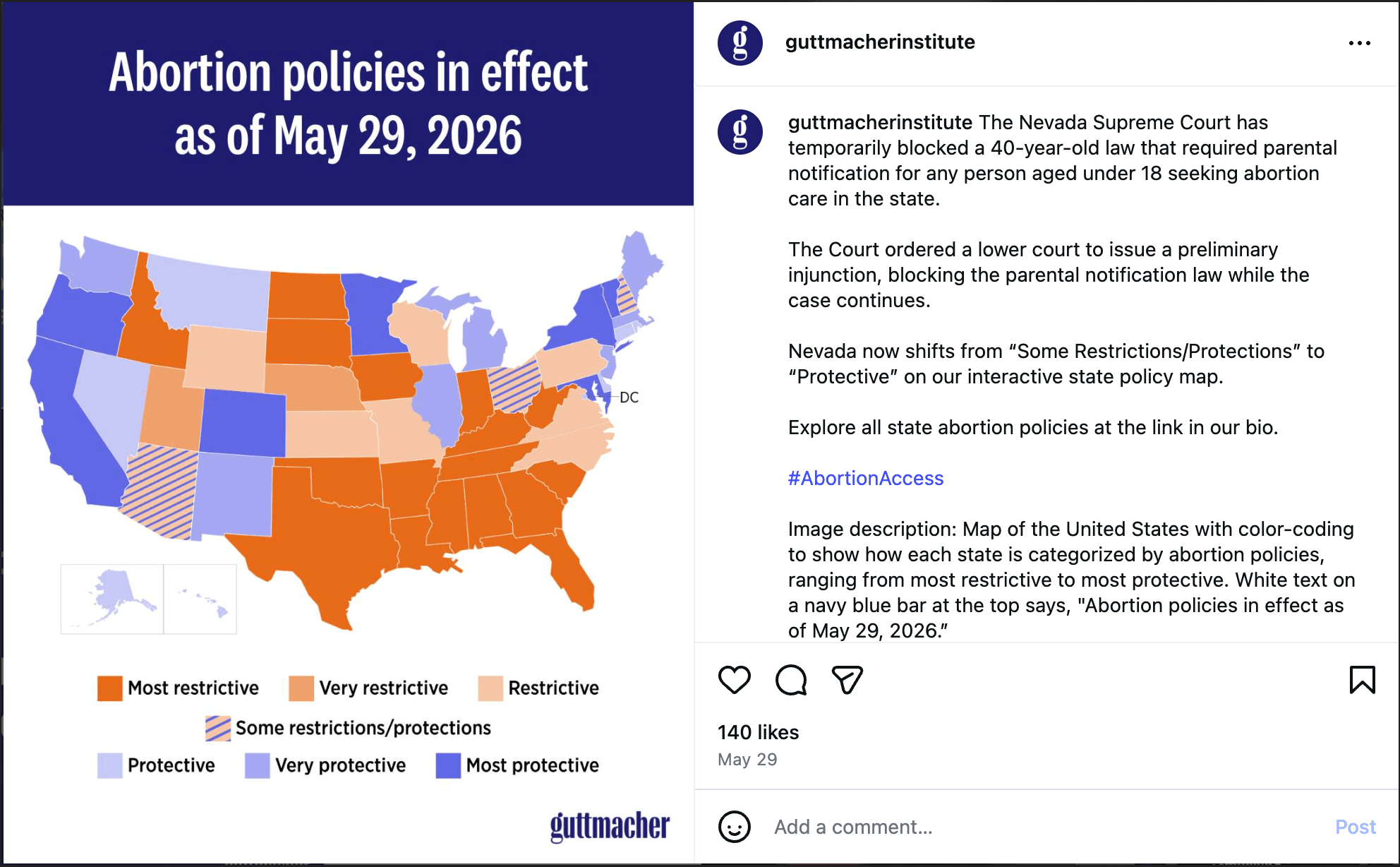
Content pillar 2: Action
Social media might shine brightest as a powerful tool to call your audience to action. Posts help disseminate key information that your audiences can use to make a difference and shape the world around them. Create “action” content to inspire audiences to advocate for legislation, write to government representatives, sign petitions, and attend rallies. Make sure your posts focus on timely content and include a clear call to action or specific next step.
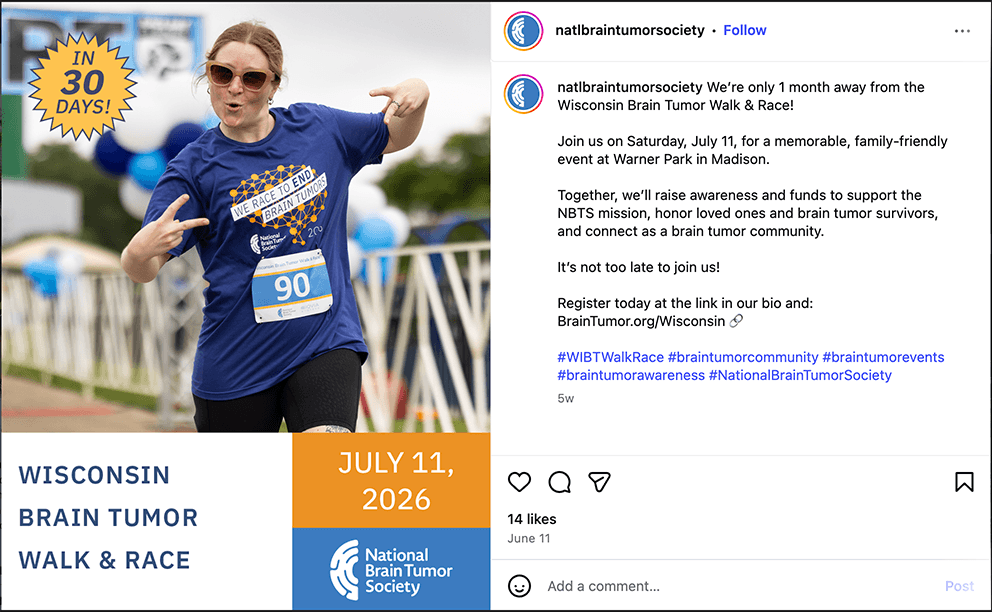
Content pillar 3: Impact
People want to know how your work makes a difference and why they should support you. Use “impact” content to show your mission in action by sharing wins to build credibility and inspire others to create change. Create posts that highlight key programs, illustrate your impact with stats and testimonials, report back on campaigns, or spotlight community events and defining moments.
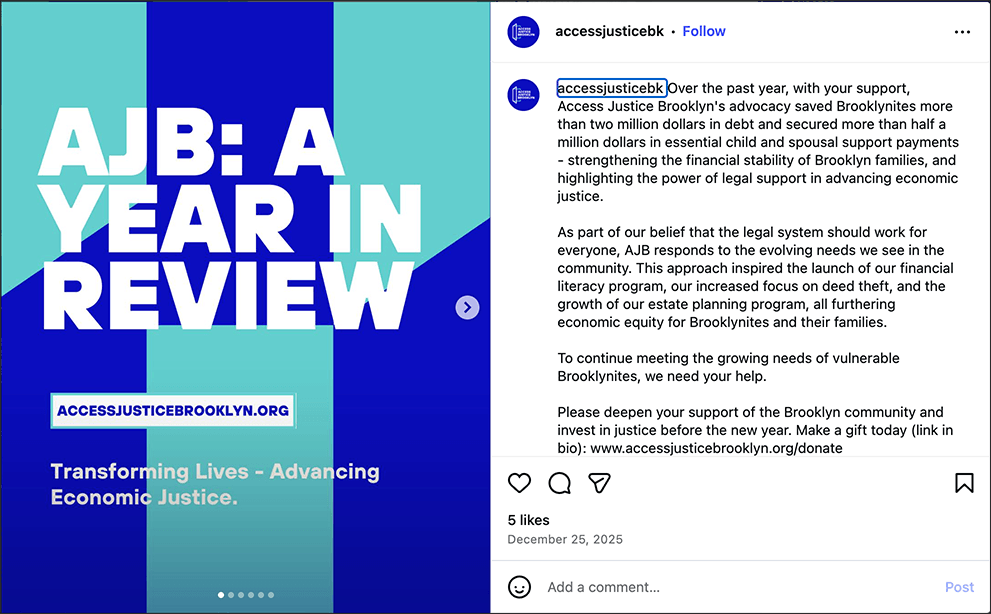
Content pillar 4: Behind-the-scenes
Use “behind-the-scenes” content to foster stronger connections. Introduce the people doing the work to humanize your organization and help audiences understand the passion for your mission. These posts don’t need a template or design; they work best and feel most authentic as shared photos and videos that capture candid moments that reveal what your work looks like in action and what it takes to serve the communities you support.

Content pillar 5: Community
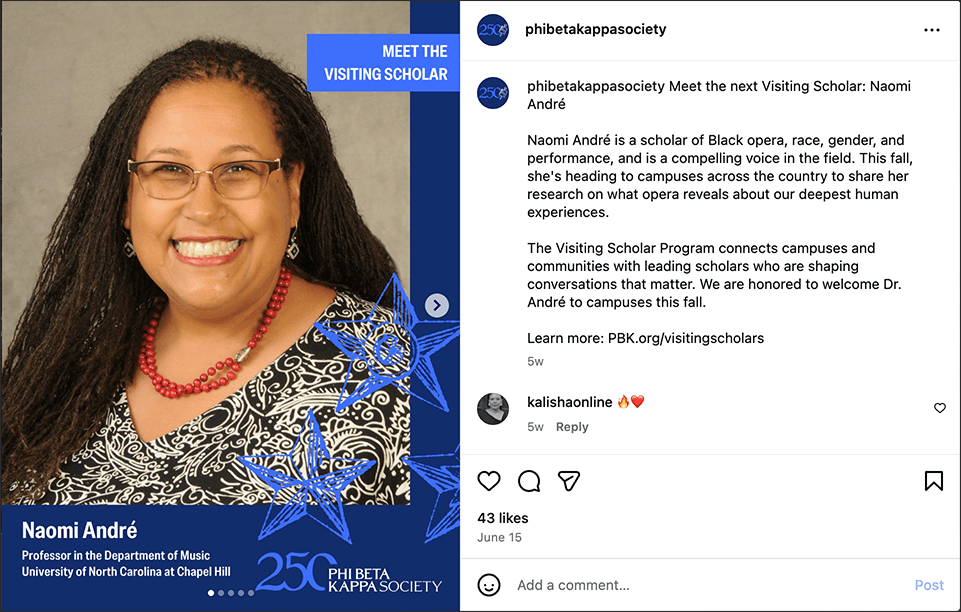
People feel valued when they see themselves featured in your content. Use “community” content to spotlight the people who help make it all possible, show appreciation, and invite engagement. Craft posts that thank your community members for their support, share interviews or quotes, or have a community member take over your social media accounts for a day to talk about what connects them to your mission.
What about a “fundraising” content pillar?
Your channels play an important role in supporting your fundraising, but they should be used in ways that don’t undermine your efforts to build community, which is primarily what your social channels are for. All of the content pillars we listed can work to help your audience understand why they should give and build touchpoints for engagement. Only make direct asks on social media if they are intentional and tied to important moments. Working within your content pillar strategy, thoughtfully weave in your year-end giving campaign or promote upcoming fundraising events.
Two more game-changers: a content calendar and templates
The issue is not just what to post, but when to post. A content calendar allows you to plan your social media strategy in advance, rather than scrambling at the last minute. The calendar serves as a log or diary where you can map out overarching themes and key topics your audience needs to know to get involved. It’s also useful for tracking and organizing your content by keeping captions, photos, and videos in one place. You can use all kinds of tools and templates, but our advice is to start simple: use a tool your team is comfortable with and easy to manage.
Templates can be your best friend for your social channels, helping build a cohesive presence. While variety is the name of the game on social, content that has a unique and consistent look—a distinct photo style, interesting use of color, or bold type—can build brand awareness and shape perceptions. Create four or five evergreen templates that you can remix and use as a starting point to support your content categories.
We hope these pillars inspire you to get creative with social content that activates your brand and engages your community. To put this approach into practice, download our calendar template and start curating your posts.
For more nonprofit social media trends, listen to this episode of the Smart Communications Podcast with Kivi Leroux Miller, where we explore, “Is the field of nonprofit communications coming of age?”
If you’re looking for ways to strengthen your brand or messaging, contact us to learn how Big Duck can support your nonprofit’s communications.